Male Infertility Solutions
Overcoming Male Factor Infertility with Scientific Precision
Male factor challenges contribute to approximately 40% to 50% of all conception difficulties. With contemporary andrological diagnostics, strict WHO semen analysis, and advanced micro-manipulation technologies, almost every male fertility hurdle can be navigated toward a successful pregnancy.
At Jabalpur Hospital Embryology & Laparoscopy Centre, led by Dr. Devkriti Tiwari Dhirawani, we provide compassionate, dignified, and scientifically grounded care for men. From baseline semen analysis and hormonal screening to advanced density gradient sperm preparation, DNA fragmentation index (DFI) testing, and microsurgical testicular sperm extraction (Micro-TESE), our comprehensive andrology wing delivers clear answers and actionable solutions.
WHO 6th Ed.
Standard Analysis100% Private
Confidential TestingMicro-TESE / PESA
Sperm RetrievalICSI Precision
Targeted Fertilization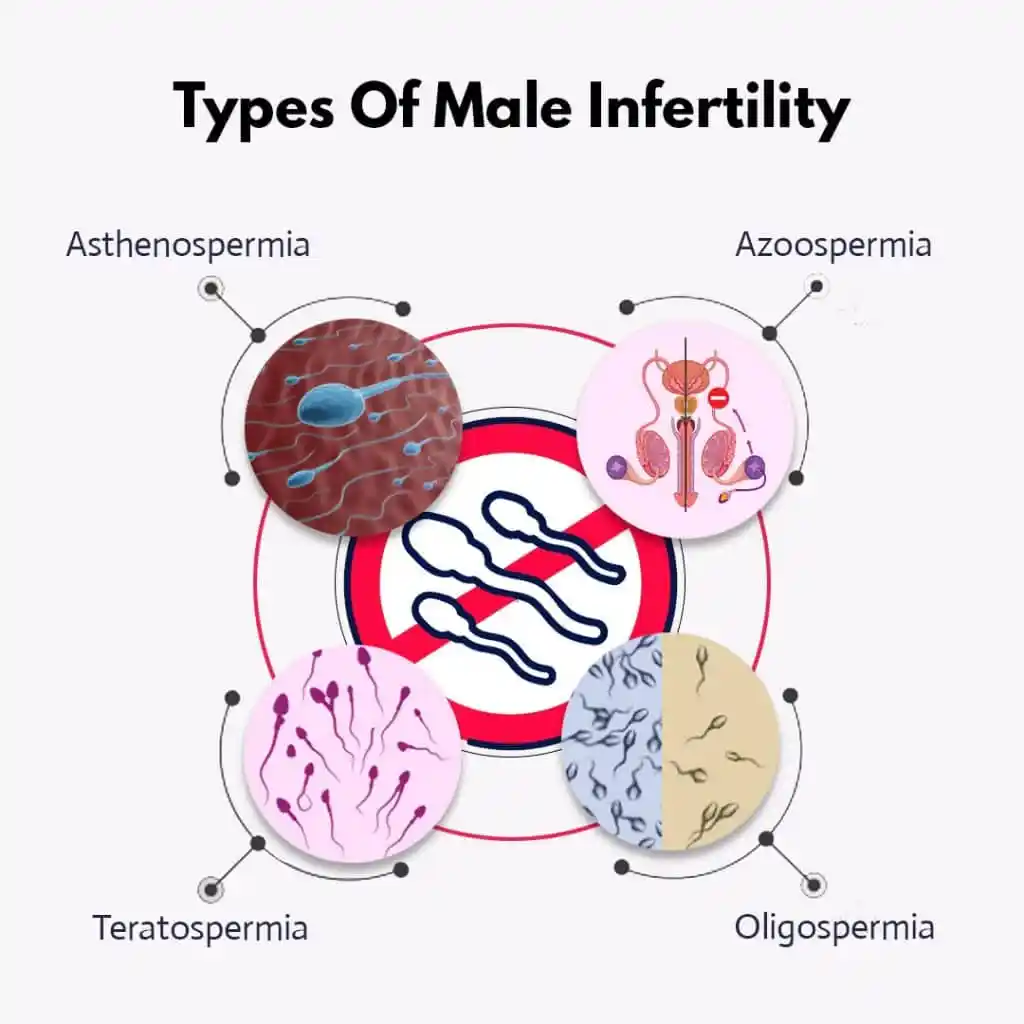
Oligospermia Low Count
Sperm concentration below 15 million per millilitre of semen. Successfully treated via medical management, lifestyle optimization, IUI, or precision ICSI micro-fertilization.
Asthenospermia Low Motility
Fewer than 32% of sperm demonstrate progressive forward movement. Density gradient washing and ICSI ensure only the highest motility sperm reach the egg.
Teratospermia Abnormal Shape
Strict Kruger morphology indicates less than 4% normally formed spermatozoa. Overcome through high-magnification micromanipulation to isolate structurally ideal sperm.
Azoospermia Zero Ejaculate Sperm
Complete absence of sperm in the ejaculate. Viable sperm are retrieved directly from testicular tissue via advanced microsurgical PESA, TESA, or Micro-TESE techniques.
Normal vs Abnormal Semen Parameters
Detailed morphological, count, and motility comparison benchmarked against WHO 6th Edition reference standards.

Key Semen Quality Benchmarks
A complete semen assessment provides critical quantitative data on count, motility patterns, and strict cellular morphology:
| Parameter | Normal Reference | Diagnostic Term |
|---|---|---|
| Total Count | ≥ 15 Million/mL | Oligospermia |
| Progressive Motility | ≥ 32% PR | Asthenospermia |
| Strict Morphology | ≥ 4% Normal | Teratospermia |
| Ejaculate Volume | ≥ 1.4 to 1.5 mL | Hypospermia |
| Vitality (Live) | ≥ 54% Membrane Intact | Necrospermia |
Clinical Note: A single abnormal semen report does not signify permanent infertility. Spermatogenesis cycles take roughly 74 days, and parameters can fluctuate due to fever, stress, or lifestyle. We routinely recommend a repeat analysis after 2 to 4 weeks.
What is a Semen Analysis?
A comprehensive laboratory assessment evaluating semen volume, sperm concentration, progressive motility, vitality, and strict Kruger morphology in accordance with standardized WHO clinical benchmarks.
Optimal Sample Period
An abstinence interval of 3 to 5 days prior to sample collection ensures optimal sperm concentration, vitality, and progressive motility for an accurate diagnostic baseline evaluation.
Comprehensive Andrological Evaluation
Before formulating any clinical plan, our reproductive team investigates both physiological and functional aspects to determine the precise root cause:
Advanced Semen Analysis
Evaluation of sperm concentration (oligospermia), progressive motility (asthenospermia), strict morphology (teratospermia), and round cell differentiation per WHO standards.
Hormonal & Endocrine Profile
Assessing serum Testosterone, FSH, LH, and Prolactin levels to identify hypogonadism, testicular failure, or pituitary signaling dysfunctions.
Sperm DNA Fragmentation (DFI)
Measures genomic integrity within the sperm head. Elevated DNA breaks correlate with recurrent implantation failure or early pregnancy loss.
Scrotal Doppler Ultrasound
High resolution colour Doppler ultrasound to detect clinical or subclinical varicocele, hydrocele, epididymal cysts, and testicular tissue volume.

Precision Sperm Processing & Selection
Raw semen contains seminal plasma, non-motile cells, bacteria, and prostaglandins that must be eliminated prior to any reproductive procedure. Our embryologists utilize multi-density gradient centrifugation and swim-up isolation protocols to extract the purest, fastest swimming, and DNA-intact spermatozoa.
- Density Gradient Separation: Concentrates highest motility sperm.
- MACS Technique: Depletes apoptotic cells with high DNA fragmentation.
- Zero Contamination Risk: Strictly calibrated disposable consumables.
Graduated Treatment Pathways by Severity
Depending on the specific semen parameter results, clinical history, and partner factors, we guide you through the most effective and least invasive path first:
1. Mild Infertility → Intrauterine Insemination (IUI)
First-Line SolutionWhen sperm count or motility is only mildly reduced, IUI provides a gentle and economical first step. The semen sample is washed in our lab to concentrate active, healthy sperm, and then gently delivered directly into the uterine cavity at the exact time of ovulation.
Explore IUI Treatment Details2. Severe Infertility → Intracytoplasmic Sperm Injection (ICSI)
Gold StandardWhen sperm count is drastically low (severe oligospermia), motility is poor, or abnormal shapes dominate, ICSI is the treatment of choice. Under an inverted microscope with micromanipulators, a single optimal sperm is selected and directly injected into each mature egg, eliminating fertilization barriers.
Explore ICSI Treatment Details3. Azoospermia (Zero Sperm in Ejaculate) → Micro-TESE & PESA
Microsurgical RetrievalEven when zero sperm are found in the semen, healthy sperm are frequently present inside the testicular tissue. Using fine-needle aspiration (PESA/TESA) or operating microscope dissection (Micro-TESE) under gentle anesthesia, our surgical team extracts viable sperm, which are immediately paired with ICSI to achieve biological fatherhood.
Consult for Surgical RetrievalFrequently Asked Questions About Male Fertility
Clear, medically verified answers to the most common questions regarding semen testing, treatments, and outcomes: