Laparoscopic Surgery
Advanced Laparoscopic Surgery: Precision Removal with Fertility Protection
Led by Dr. Devkriti Tiwari Dhirawani (MBBS, MD, Fellow in Advanced Laparoscopic Surgery, Kiel, Germany), our surgical wing provides cutting-edge keyhole solutions for fibroids, ovarian cysts, deep infiltrating endometriosis (DIE), and tubal blockages.
Unlike traditional open surgery that requires large abdominal incisions and extended hospitalization, laparoscopic keyhole surgery utilizes high-definition 3D camera towers and micro-instruments through tiny 5 to 10 mm ports. This ensures sub-millimeter surgical accuracy, minimal blood loss, minimal scar formation, and maximum preservation of healthy uterine and ovarian tissue for future conception.
10,000+ Surgeries
Kiel Germany Trained5 to 10 mm Ports
Cosmetic IncisionsIn-Bag Morcellation
Safe Fibroid ExtractionDaycare / 24h
Rapid Recovery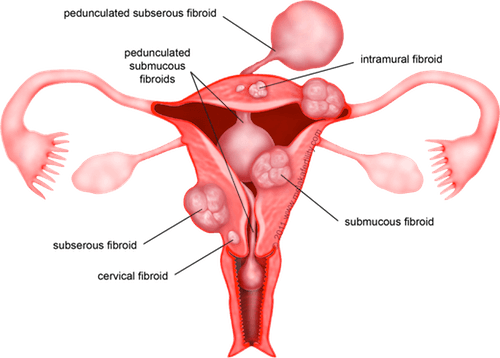
Why Keyhole Surgery is the Gold Standard
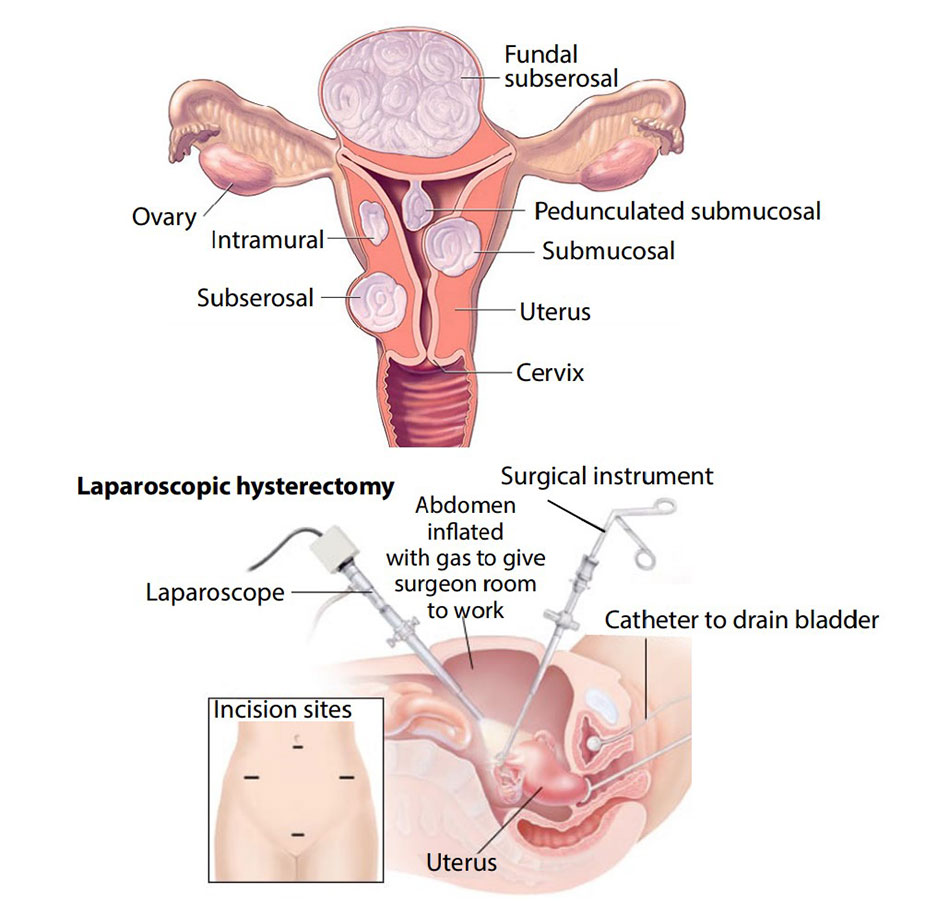
Laparoscopic surgery replaces the traditional 15 to 20 cm open surgical cut with three to four miniature punctures (5 to 10 mm). A slender laparoscope fitted with a high-definition 3D camera illuminates and magnifies the pelvic cavity up to 20 times on ultra-HD monitors.
Our surgeons manipulate micro-instruments with microscopic finesse, gently separating pathology from critical organs, cauterizing with ultrasonic harmonic shears, and avoiding collateral trauma to the uterus, fallopian tubes, and ovaries.
Key Surgical Advantages:
- Minimal Tissue Disruption: Gentle handling prevents postoperative pelvic adhesions.
- Near-Zero Blood Loss: Harmonic energy instantly coagulates capillaries.
- Cosmetic Excellence: Micro-incisions fade into nearly imperceptible lines.
- Fast Return to Work: Most patients resume active life within 5 to 7 days.
Safe In-Bag Morcellation for Large Fibroids & Cysts
A common question patients ask is: "How can a 10 cm fibroid or large ovarian cyst be removed through a 10 mm keyhole incision?"
The answer lies in contained in-bag laparoscopic morcellation. Once the fibroid is excised from the uterine wall, it is placed inside an impermeable endoscopic containment pouch. The tissue is segmented into thin strips inside the protected bag and extracted cleanly through the port, completely preventing any spillage or dissemination of cells.
State-of-the-Art Operating Theatre Infrastructure
Our modular endoscopy suites at Jabalpur Hospital are equipped with advanced Karl Storz 3D laparoscopic towers, integrated high-flow CO2 insufflators, and precision bipolar/ultrasonic dissection generators.
- Full Pelvic Visualization: High-definition inspection of cul-de-sac, pelvic side walls, ureters, and bladder peritoneum.
- Fertility-Enhancing Hystero-Laparoscopy: Simultaneous camera inspection inside the uterine cavity (hysteroscopy) and outside pelvic organs (laparoscopy).
- Cosmetic Wound Management: Dermabond medical skin adhesive eliminates external stitches.

Key Conditions Treated with Laparoscopic Surgery
Our surgical team specializes in fertility-enhancing, organ-preserving keyhole operations for the following gynecological conditions:
Uterine Fibroids & Myomectomy
Removal of intramural, subserosal, or submucosal fibroids while preserving uterine musculature intact for pregnancy.
Ovarian Cystectomy
Gentle stripping of dermoid cysts, chocolate cysts, or simple cystomas without harming surrounding follicles (AMH preservation).
Endometriosis DIE Excision
Complete microsurgical excision of deep infiltrating endometriotic lesions affecting uterosacral ligaments and pelvic peritoneum.
Tubal Recanalization & Reversal
Microsurgical tubal anastomosis for reversal of sterilization, or salpingectomy for toxic hydrosalpinx prior to IVF.
Pelvic Adhesiolysis
Releasing fibrous adhesions between ovaries, fallopian tubes, and bowel to restore normal pelvic mobility and egg pickup.
Ectopic Pregnancy Management
Emergency keyhole salpingostomy or salpingectomy protecting the patient's life while preserving future reproductive capacity.
Traditional Open Surgery vs Advanced 3D Laparoscopy
A comparative overview demonstrating why minimally invasive endoscopy is the preferred global approach:
| Surgical Parameter | Conventional Open Laparotomy | Advanced 3D Laparoscopy |
|---|---|---|
| Incision Size | 15 to 20 cm large abdominal cut | 3 to 4 tiny keyholes (5 to 10 mm) |
| Blood Loss | Moderate to significant (150 to 400 mL) | Minimal (< 30 mL) with harmonic coagulation |
| Postoperative Pain | Moderate to severe, requires strong opioids | Mild, controlled with basic oral analgesia |
| Hospital Stay | 4 to 7 days in hospital | Daycare / 24 hours discharge |
| Pelvic Adhesion Risk | High risk of postoperative scarring | Very low risk due to closed, moist environment |
| Recovery & Work Return | 4 to 6 weeks of bed rest | 5 to 7 days to resume light routine |
The Laparoscopic Surgery Procedure: Step-by-Step
Structured from initial 3D imaging to complete recovery with international surgical safety benchmarks:
Preoperative 3D Ultrasound & Mapping
Comprehensive high-resolution ultrasound mapping precisely localizes fibroids, cysts, and blood supply prior to surgery.
Gentle Anesthesia & Micro-Port Access
Comfortable general anesthesia is administered; tiny keyhole ports allow introduction of the 3D optical laparoscope.
Harmonic Dissection & In-Bag Removal
Ultrasonic shears excise targeted tissue with zero bleeding. Fibroids and cysts are isolated and removed inside protected retrieval bags.
Cosmetic Closure & Same-Day Mobilization
Ports are sealed with dissolvable sub-cuticular sutures and medical glue. Patients mobilize comfortably within hours and go home the same day.
Frequently Asked Questions About Laparoscopic Surgery
Medically verified answers to common questions about keyhole gynecological surgery: