ICSI Treatment
ICSI: Precision Micro Injection for Male Factor Infertility
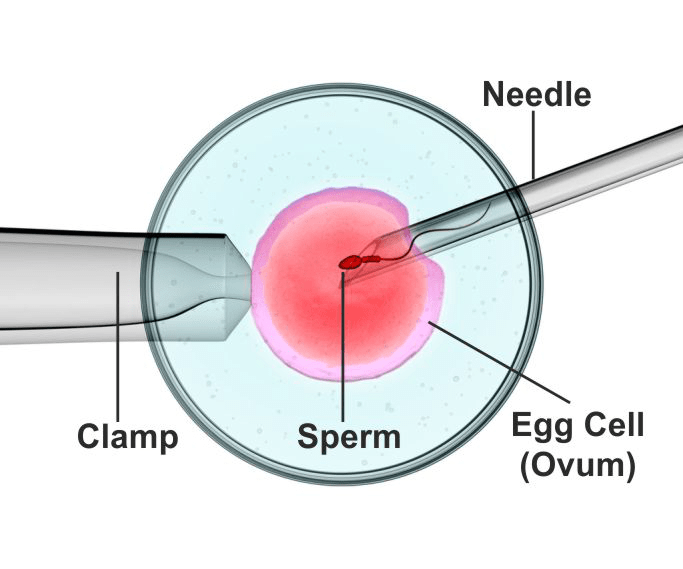
Intracytoplasmic Sperm Injection (ICSI) is a breakthrough micro-assisted reproductive procedure engineered specifically for cases of severe male factor infertility or previous IVF fertilization challenges. Instead of placing thousands of sperm around an egg in a dish, our embryologists isolate a single optimal sperm and inject it directly into the mature egg using microscopic micromanipulators, maximizing fertilization rates.
When Is ICSI Recommended?
ICSI is indicated when biological barriers prevent natural fertilization during conventional IVF:
Severe Male Infertility
Very low sperm count (oligozoospermia), poor motility (asthenozoospermia), or abnormal shape (teratozoospermia) successfully overcome through individual sperm isolation.
Previous Failed Fertilization
When previous standard IVF cycles produced unexpected fertilization failure or inadequate embryo development despite apparently normal gametes.
Cryopreserved Gametes
Vitrified eggs or frozen sperm samples require direct micro-injection because egg outer coatings (zona pellucida) naturally harden following thawing.
Surgically Retrieved Sperm
Sperm retrieved directly from testicular or epididymal tissue via TESA, PESA, or Micro-TESE in azoospermic men have limited mobility and require direct ICSI injection.
High DNA Fragmentation
Elevated sperm DNA fragmentation index (DFI) warrants high-magnification embryological selection to isolate sperm with maximum genomic integrity.
Unexplained Infertility
Couples with unexplained infertility and long-standing difficulty conceiving after repeated intrauterine insemination (IUI) attempts.
Conventional IVF vs ICSI Treatment
While both procedures belong to in vitro fertilization, the method of achieving fertilization is fundamentally different:
Conventional IVF
Eggs and concentrated motile sperm are placed together in a specialized culture dish. Sperm must naturally bind to and penetrate the egg's outer layer on their own.
- Requires 50,000 to 100,000 motile sperm per retrieved egg.
- Relies entirely on natural sperm motility and enzyme release.
- Ideal for female factor cases with normal sperm parameters.
- Risk of total fertilization failure if sperm binding is impaired.
ICSI Micro-Injection
A high-power inverted microscope and precision microneedle are used to introduce one single healthy sperm directly into the inner cytoplasm of each mature egg.
- Requires only 1 healthy sperm per mature egg.
- Completely bypasses defective sperm penetration mechanisms.
- Enables fertilization using surgically retrieved testicular sperm.
- Yields 70% to 80% reliable fertilization success rates.
The ICSI Journey: Six Precision Steps
Embryology micromanipulation delivered with exact timing, state-of-the-art incubation, and clinical excellence:
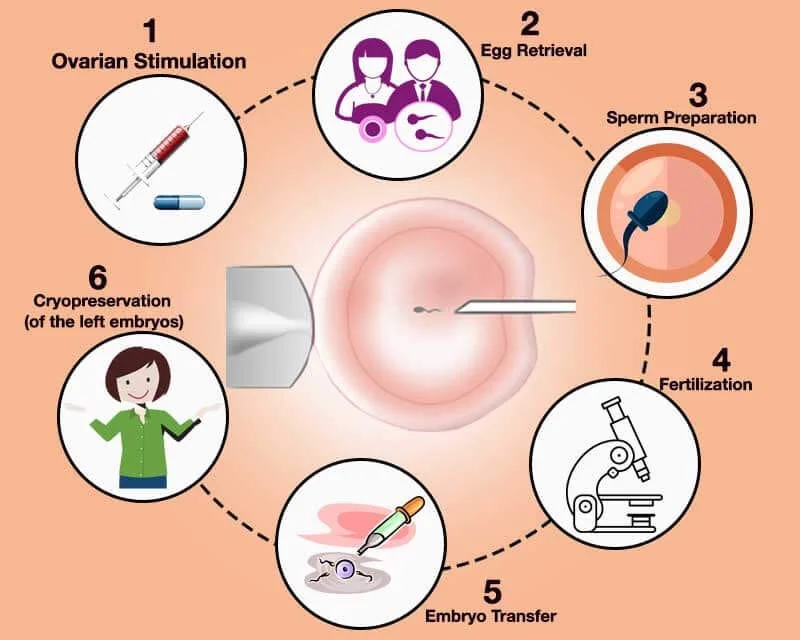
Ovarian Stimulation
Personalized hormone protocols stimulate ovaries to develop multiple mature follicles under serial ultrasound monitoring.
Oocyte Retrieval & Denudation
A comfortable 15-minute daycare ultrasound-guided aspiration collects mature eggs, followed by gentle removal of surrounding cumulus cells.
Sperm Preparation & Selection
Sperm is processed via density-gradient separation; embryologists isolate individual sperm displaying optimal head shape and active motility.
Micro-Injection (ICSI)
Under 400x inverted microscope magnification, the selected sperm is immobilized and micro-injected into the mature ooplasm.
Incubation & Blastocyst Culture
Fertilized eggs are nurtured in advanced benchtop incubators with strict gas and temperature control for 3 to 5 days until reaching blastocyst stage.
Embryo Transfer & Vitrification
The top-grade blastocyst is gently placed into the uterus under ultrasound guidance; surplus healthy embryos are vitrified for future cycles.
Surgical Sperm Retrieval: TESE, PESA & Micro-TESE with ICSI
Solutions for Azoospermia (Zero Ejaculate Sperm)For men diagnosed with non-obstructive or obstructive azoospermia, biological parenthood remains completely achievable. Sperm can be collected directly from the epididymis (PESA) or testicular tissue (TESA / Micro-TESE) under local sedation. Because testicular sperm have limited motility, they cannot fertilize naturally in conventional IVF; however, when combined with precision ICSI micro-injection, fertilization success rates rival those of ejaculated sperm cycles.
Every surgical retrieval is synchronized with the female partner's oocyte retrieval or cryopreserved in advance for seamless laboratory workflow.
Success Rates & Influencing Factors
Success rates in ICSI cycles depend on both biological markers and strict embryology quality control:

5 Key Factors in ICSI Success
Maternal Age & Oocyte Quality
While ICSI solves sperm penetration, egg cellular health remains the primary driver of blastocyst competence and live birth.
Sperm Viability & Morphology
Strict morphological selection under high magnification ensures injection of gametes with intact chromatin packaging.
Embryology Cleanroom Standards
ISO 5 cleanroom air filtration, active VOC monitoring, and benchtop micro-incubators preserve delicate oocyte spindle integrity.
Sequential Blastocyst Culture
Extended culture to Day 5 blastocyst stage allows natural self-selection of the most genetically resilient embryos.
Lifestyle & Oxidative Stress Control
Nutritional optimization, antioxidant support, and smoke cessation significantly reduce sperm DNA fragmentation prior to retrieval.
Why Choose Our Centre for ICSI?
World-class embryological infrastructure combined with personalized, transparent clinical guidance:
Specialist-Led Procedures
Direct oversight by Dr. Devkriti Tiwari Dhirawani and senior clinical embryologists with proven experience.
High-Magnification Optics
Inverted research-grade micromanipulators with vibration isolation tables for sub-micron precision injection.
ISO 5 Cleanroom IVF Lab
Strict air particulate and chemical filtration ensuring zero airborne contaminants during gamete handling.
Individualized Protocols
No cookie-cutter packages; stimulation dosages and sperm isolation strategies are customized to each couple.
Transparent & Empathetic Care
Clear embryo grading reports, honest prognostic assessments, and continuous compassionate counseling.