IUI Treatment
Precision-Timed IUI Treatment: Designed Around Your Natural Cycle
Intrauterine Insemination (IUI) is one of the most trusted and gentle first-line fertility treatments: simple, minimally invasive, and remarkably effective when timed with precision. Our clinical approach coordinates close follicular ultrasound tracking with laboratory-grade sperm preparation to place healthy, active sperm directly into the uterus at peak ovulation. Every step, from your initial consultation to clinical pregnancy confirmation, is guided by Dr. Devkriti Tiwari Dhirawani with transparent, compassionate care.
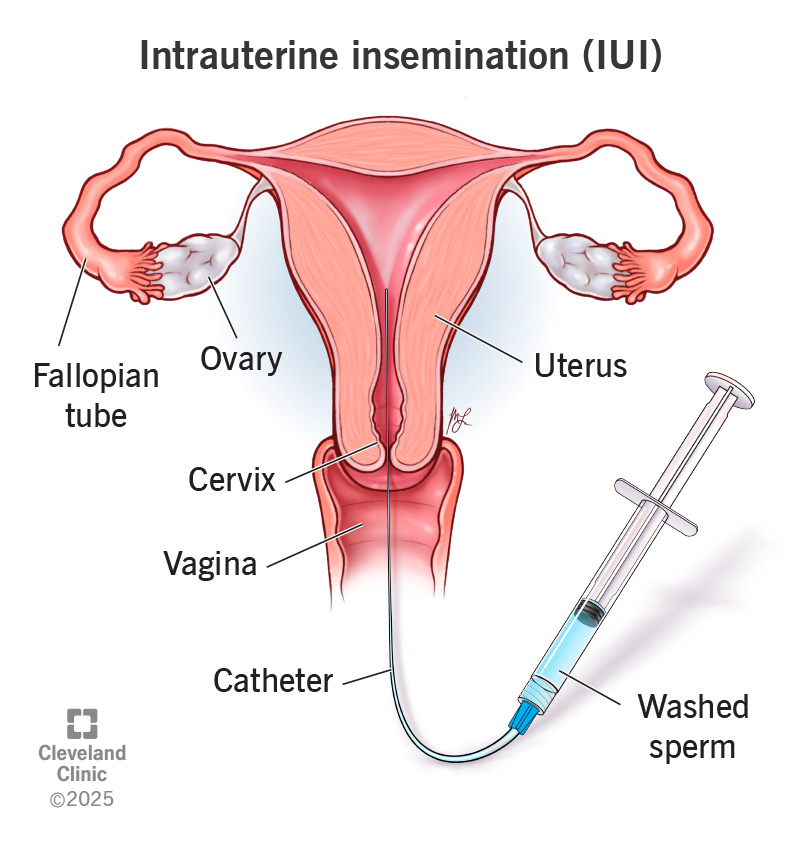
What is IUI?
Prepared and concentrated sperm is placed directly into the uterus near ovulation, bypassing vaginal barriers and significantly shortening the sperm's journey to the fallopian tubes.
Optimal Trial Window
Clinical evidence demonstrates that most successful IUI conceptions occur within the first 3 to 4 treatment cycles before reassessing and recommending IVF.
When Is IUI Recommended?
IUI is commonly recommended for individuals and couples facing any of the following fertility challenges:
Unexplained Infertility
No specific barrier is identified after comprehensive hormonal, tubal, and semen diagnostics.
Mild Male Factor Infertility
Borderline sperm count, reduced motility, or volume challenges successfully resolved by laboratory washing.
Cervical Factor Infertility
Thick, acidic, or hostile cervical mucus that hinders or prevents natural sperm passage.
Ovulation Disorders & PCOS
Irregular or absent ovulation cycles treated with mild stimulation medication and ultrasound tracking.
Mild Endometriosis
Stage I or II pelvic endometriosis with patent fallopian tubes seeking non-invasive initial care.
The IUI Journey: Five Precisely Timed Steps
Ovulation Induction
Targeted medication stimulates the development of healthy, mature eggs, improving the odds of successful fertilization.
Ovulation Tracking
Regular transvaginal ultrasounds monitor follicle growth. Once maturity is confirmed, a trigger injection is administered to time ovulation precisely.
Semen Preparation
Roughly 24 to 40 hours after the trigger shot, a semen sample is collected and processed in the lab to isolate the healthiest, most motile sperm.
Insemination
Using a thin, flexible catheter, the prepared sperm is placed directly into the uterus during the fertile window in a quick, virtually painless procedure.
Pregnancy Test
Approximately two weeks after insemination, a sensitive blood serum beta-hCG test confirms the clinical outcome of the cycle.
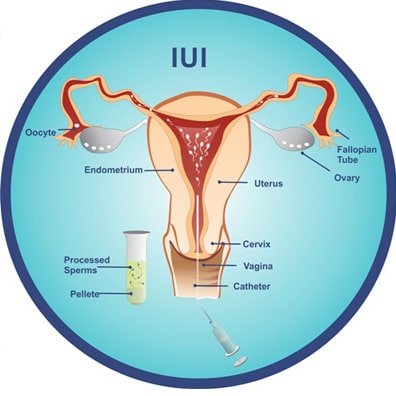
Sperm Pellet Preparation
Centrifugation separates active sperm for direct uterine access.
How Sperm Washing Maximizes Natural Conception
Natural semen contains prostaglandins, leukocytes, and non-motile cells that can cause uterine cramping. Our specialized laboratory preparation refines the sample into pure, hyperactive sperm:
Density Gradient Centrifugation
Separates debris and immotile sperm, concentrating the most motile, morphologically ideal sperm cells into a purified pellet.
Direct Fallopian Access
Bypasses the acidic vaginal environment and cervical barrier, shortening the travel distance from 18 centimeters to millimeters.
Synchronized Ovulation Timing
Insemination occurs within 24 to 36 hours of the LH surge or hCG trigger, placing sperm exactly as the oocyte enters the tube.
Success Rates and Key Clinical Factors
IUI success varies cycle to cycle, shaped by key biological factors:
Age of the Woman
Younger patients generally achieve higher per-cycle success due to robust ovarian reserve and egg quality.
Underlying Cause of Infertility
Unexplained subfertility and mild male-factor cases show the highest response rates to timed IUI.
Number of Treatment Cycles
Cumulative success typically rises across repeated cycles, with highest efficacy observed across 3 to 4 attempts.
Controlled Ovarian Stimulation
Mild oral or injectable stimulation optimizes the maturation of 1 to 2 follicles without hyperstimulation risk.
Typical Success Rate Bands by Patient Profile
*Individual results depend on diagnostic evaluation and cycle response.
Why Choose Our Centre for IUI
Our dedicated fertility specialists combine evidence-based clinical protocols with compassionate, patient-first care.
Expertise and Experience
A specialist-led team with an established track record in successful IUI cycles and gentle patient care.
Personalized Treatment Plans
Every protocol is tailored to the individual's hormonal profile and cycle history for maximum comfort and success.
Comprehensive Fertility Services
Full spectrum of care, from diagnostic workup to advanced IVF and ICSI if needed, all under one roof.
State of the Art Facility
Modern andrology lab and high-resolution ultrasound equipment supporting ultra-precise insemination timing.
Patient-Centered Approach
Compassionate, transparent support throughout the fertility journey with round-the-clock guidance and emotional care.
IUI vs IVF: Comparing Your Treatment Options
IUI is often the first-line assisted reproductive treatment. Understanding how it compares to IVF helps couples and doctors decide the optimal path for their specific fertility profile.
| Feature | IUI Treatment | IVF / ICSI Treatment |
|---|---|---|
| Clinical Process | Washed, concentrated sperm placed directly into uterus | Eggs and sperm fertilized in Class 10,000 embryology lab |
| Complexity | Gentle, minimally invasive outpatient procedure | Multi-step advanced laboratory and stimulation process |
| Cost Profile | Economical and accessible first-line option | Higher investment for advanced embryology culture |
| Procedure Duration | 15 to 20 minute quick office procedure | Comprehensive 4 to 6 week cycle |
| Ideal Candidates | Mild male factor, young couples, unexplained infertility | Tubal blockage, severe male factor, failed IUI, low AMH |
| Success Rate | 15 to 20% per cycle | 60 to 75% cumulative per cycle |
| Anaesthesia Required | None required | Light sedation for egg retrieval only |
When to transition from IUI to IVF: If IUI does not result in pregnancy after 3 to 4 well-monitored cycles (or fewer if maternal age is above 35 or severe factor is present), doctors recommend transitioning to IVF, which offers significantly higher success rates. Dr. Devkriti will review your cycle data and provide honest guidance.